
_707.png)
_365.png)
_983.png)
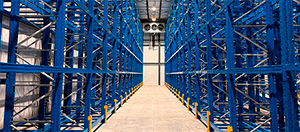
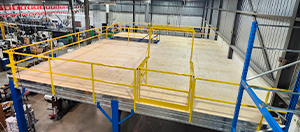
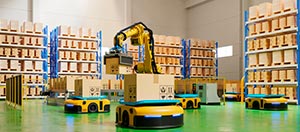
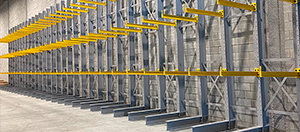
When global and regional steel prices soar – driven by price adjustments, energy costs, and logistical tensions—the impact is felt immediately in the warehousing sector.
Here is an analysis of the consequences of this increase and the strategies adopted by the industry to stay on course.
1. Direct Pressure on Manufacturing Costs
In the manufacture of a heavy shelving system, steel accounts for between 60% and 80% of the total cost of production.A significant increase in raw material prices drastically reduces manufacturers' margins and leads to:
- An upward revision of the quotes: The validity period of commercial offers has been reduced from several months to only a few days or weeks to avoid the risk of volatility.
- The increase in overall cost per square meter: Developing or expanding a distribution center becomes a heavier investment for logistics managers.
2. Operational Adjustments among Manufacturers
Faced with price fluctuations, the industrial sector must adapt to preserve project profitability:- Eco-design and structural optimization: Engineers are looking to use high-strength steels (HLE). These stronger alloys allow for thinner studs and stringers while maintaining the same load-bearing capacity, thereby reducing steel weight per square meter of installed steel.
- Integration of adjustment clauses: Supply contracts now more frequently include indexation clauses based on official metal indices to share risk between buyer and seller.
3. Evolution of Demand and New Warehouse Trends
To cope with the increase in the cost of new equipment, logistics companies are changing their habits:| Trending | Description | Impact on the market |
| Second-hand market push | Purchase of reconditioned or reused storage systems. | Increased demand for used racks inspected and certified. |
| Densification of spaces | Prioritize height over ground area. | Priority given to high-density storage systems (Drive-in, Shuttle, Radio-Shuttle). |
| Advanced Automation (AS/RS) | Investment in automatic shuttles. | Less volume of raw steel used for space optimization technologies. |
4. Strategies for Warehouse Managers
To succeed in your development projects without exploding your budget during a period of rising materials, here are some recommendations:- Plan and lock supplies early: Anticipating your needs from 6 to 12 months allows you to buy during market troughs and secure inventory.
- Audit and repair instead of replacing: have your racks regularly inspected to replace only the damaged components (ladders, protectors) rather than buying new complete sections.
- Favor modular: Opt for scalable systems that can be easily reconfigured without requiring the continuous purchase of new steel structures.


